Build a Pool in North Carolina: Planning Guide for Homeowners
If you want to build a pool in North Carolina, planning matters more than most homeowners realize. A pool project can look simple during the sales process, but it involves permits, inspections, design choices, equipment, electrical work, drainage, fencing, and contractor coordination.
I learned many of these lessons during my own pool construction project. Some parts went as expected. Other parts created stress, delays, and extra costs. This guide shares the steps I wish I had understood before starting.
Start With a Clear Pool Vision
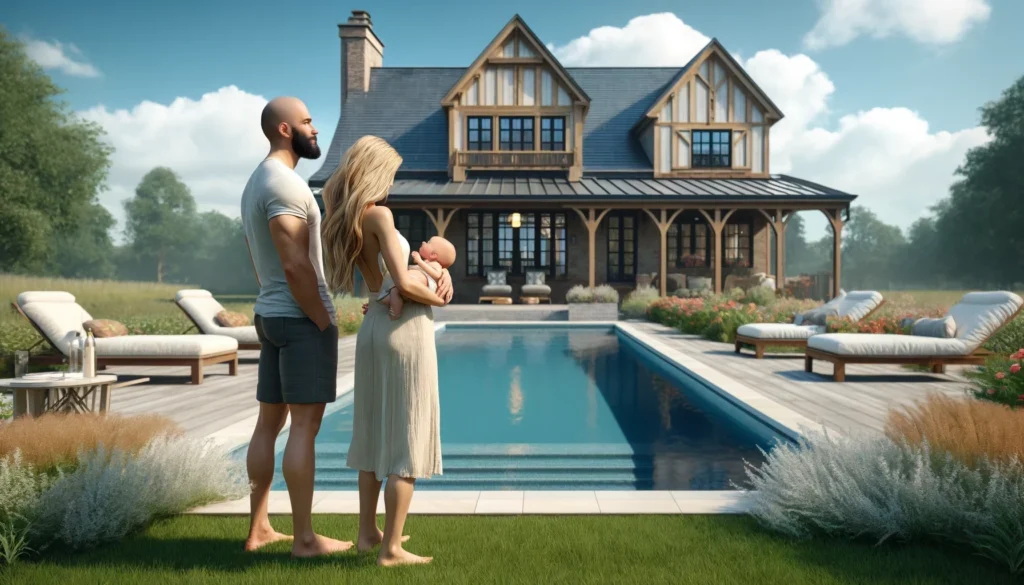
Before you build a pool in North Carolina, decide how you want to use it. Some families want a pool for relaxing. Others want a place for kids, guests, exercise, or outdoor entertaining.
Think about the pool shape, depth, tanning ledge, steps, lighting, water features, seating areas, and decking. These choices affect the price, layout, and long-term maintenance.
Do not rely only on verbal conversations. Ask the builder to include every major design choice in writing. That includes the pool color, equipment list, filter type, water feature details, decking, and any upgrades.
Set a Realistic Pool Budget
A pool budget should include more than the pool shell. Many homeowners forget about fencing, electrical upgrades, landscaping, drainage, permits, inspections, extra concrete, and repair work around the yard.
Ask for a detailed written estimate before signing. The estimate should explain what the builder includes and what the homeowner must handle separately.
Also ask how change orders work. A change order should explain the added cost, added work, and approval date. Do not accept vague promises when the project involves this much money.
Understand Pool Permits in North Carolina
Permits and inspections are a major part of pool construction. In Raleigh, pools, spas, and hot tubs that can hold more than 24 inches of water require permits and inspections. You can review the official guidance on the Raleigh pool and spa permit page.
Rules can vary by city, county, and property type. Before work starts, confirm which office handles your permit. Also confirm whether your property has septic, easements, impervious surface limits, HOA rules, or setback restrictions.
Do not assume the builder handled everything correctly. Check the permit record yourself. Confirm the owner name, contractor name, pool size, project scope, and inspection status.
Choose the Right Pool Location
The pool location affects drainage, privacy, sunlight, access, landscaping, and future maintenance. Before approving the location, walk the yard with the builder and ask direct questions.
- Where will rainwater drain?
- Will the pool affect septic lines or septic repair areas?
- Can equipment and workers access the backyard safely?
- Will the pool meet setback rules?
- Will the location create grading or erosion problems?
- Will trees drop leaves into the pool?
These questions may seem basic, but they can prevent expensive problems later.
Research the Pool Builder Carefully
The builder you choose can make or break the project. A good builder should explain permits, inspections, fence requirements, equipment, drainage, subcontractors, warranty coverage, and project timing.
Before hiring anyone, check licensing, reviews, references, insurance, and past work. The North Carolina Licensing Board for General Contractors says a general contractor must be licensed when the total project cost is $40,000 or higher. You can check information through the NC Licensing Board for General Contractors.
The Pool & Hot Tub Alliance also provides consumer guidance on choosing your pool builder. This can help homeowners understand what to ask before signing a contract.
Questions to Ask Before You Sign
Before you build a pool in North Carolina, ask the builder specific questions. Get the answers in writing.
- Who pulls the pool permit?
- Who verifies the pool measurements?
- Who explains fence and barrier requirements?
- Who handles electrical, plumbing, and gas permits?
- Who manages subcontractors?
- Who confirms drainage and grading?
- What equipment is included?
- What happens if the installed equipment differs from the contract?
- How are warranty issues handled?
- How are change orders approved?
Plan for Electrical and Equipment Needs
Pool equipment may require electrical work. Pumps, heaters, automation systems, lights, and water features can all add electrical load. Some homes may need a panel upgrade or new circuits.
Ask the builder and electrician to explain what your equipment requires. Confirm who handles the permit, inspection, utility coordination, and final labeling.
I also recommend reading my post about my Lanier Electric Group review, where I explain the electrical panel upgrade issues I experienced during my pool project.
Think About Safety Before Construction Starts
Pool safety should not come at the end of the project. Ask about fencing, gates, alarms, covers, lighting, and safe access before construction begins.
Fence or barrier requirements can affect your budget and schedule. If the builder does not explain these requirements early, you may face surprise costs later.
Document the Pool Construction Process
Take photos and videos during every major phase. Document excavation, plumbing, electrical work, wall installation, concrete, equipment installation, drainage, and final cleanup.
Keep emails, text messages, invoices, permit records, inspection notes, and change orders. If a problem appears later, documentation can help explain what happened.
Watch for Warning Signs
Some warning signs appear early. Do not ignore them.
- The contract does not match what you discussed.
- The builder avoids written answers.
- Workers arrive without notice.
- Permit records contain incorrect information.
- Subcontractors stop responding.
- Equipment differs from the contract.
- Visible construction issues remain unresolved.
- The builder rushes to the next phase before correcting problems.
Related Pool Construction Posts
You can also read my related posts about hiring an experienced pool builder, Triangle Swimming Pools problems, my Triangle Swimming Pools review, pool builder breach of contract lessons, and my pool no water flow alert.
Final Thoughts: Build a Pool in North Carolina Carefully
When you build a pool in North Carolina, the planning stage matters. A pool can become a great backyard feature, but only if the project has clear contracts, proper permits, good communication, and careful documentation.
My advice is simple. Research the builder. Check the permit. Confirm the equipment. Ask questions in writing. Document every phase. Do not wait until problems appear to protect yourself.
Conversation