
Lanier Electric Group Review: My Electrical Panel Upgrade Experience
This Lanier Electric Group review shares my personal experience with an electrical panel upgrade during our pool construction project. We needed additional electrical capacity for pool equipment and a new septic pump, and we chose Lanier Electric Group based on a recommendation.
At the time, we wanted the work completed quickly so the pool project could continue. Looking back, I wish we had done more research, asked more questions, and confirmed utility approval requirements in writing before moving forward.
This post explains what happened with our panel selection, Duke Energy approval issues, unexpected cost changes, and concerns after the final installation.
Why We Hired Lanier Electric Group
We contacted Lanier Electric Group during the pool construction process because we needed electrical guidance. The project required a panel upgrade to support the pool equipment and septic pump.
The initial recommendation was to install a new electrical panel. My wife and I preferred a different panel style, so we decided to provide the panel ourselves.
Before buying the panel, we asked Derek from Lanier Electric Group whether our selected panel would work. After receiving approval, we purchased the panel and the required breakers.
Looking back, I would handle this differently. I would ask the electrician to confirm the exact panel model in writing. I would also ask whether the panel meets utility requirements before buying anything.
Lanier Electric Group and the Panel Selection Issue
On installation day, we learned that the panel could not be used as planned. Derek and another technician told us the panel lacked feed-through lugs. Derek acknowledged that he had missed that detail earlier.
After they left, I searched for a solution. I found an adapter that appeared to make the panel compatible. Derek agreed to install the adapter. At that point, it seemed like the problem had been solved.
That changed about a week later.
Lanier Electric Group, Duke Energy, and Approval Problems
A week after the installation, Derek told us that Duke Energy had not approved the panel. He also told us that our power could be disconnected the next morning. This created an urgent and stressful situation for our family.
From my perspective, this issue should have been communicated earlier. If the utility had concerns about the panel, we needed to know as soon as possible. Instead, we felt pressured to accept a fast and expensive change.
Duke Energy provides a builder and contractor service page for applying for electric service. Homeowners planning a service change or panel upgrade should ask their electrician how utility approval will be handled. You can review Duke Energy’s builder service information here: Duke Energy builders and contractors service page.
Unexpected Cost Changes During the Lanier Electric Group Project
To avoid losing power, we agreed to move forward with the replacement panel option. Derek said he would return with panels he had purchased. He did not clearly identify the exact models before the work.
At first, we were told to pay for the materials and four hours of labor. Shortly after that, the labor estimate changed to eight hours. We were also told to pay upfront.
Because we were facing the possibility of being without electricity, we felt we had little practical choice. That made the situation feel even worse.
My Concerns After the Lanier Electric Group Installation
After the final installation, we inspected the setup. We found that the breakers were not labeled. That left us guessing which circuits controlled different parts of the home.
Breaker labels matter for safety, service, and troubleshooting. Raleigh’s residential inspection guidance says an electrical rough-in inspection applies when wiring, boxes, and panel boards have been installed and connections are ready for the finished product. You can review that guidance on the Raleigh residential inspections page.
The work area also needed better cleanup. After the job ended, we felt disappointed by the lack of final review, labeling, and communication.
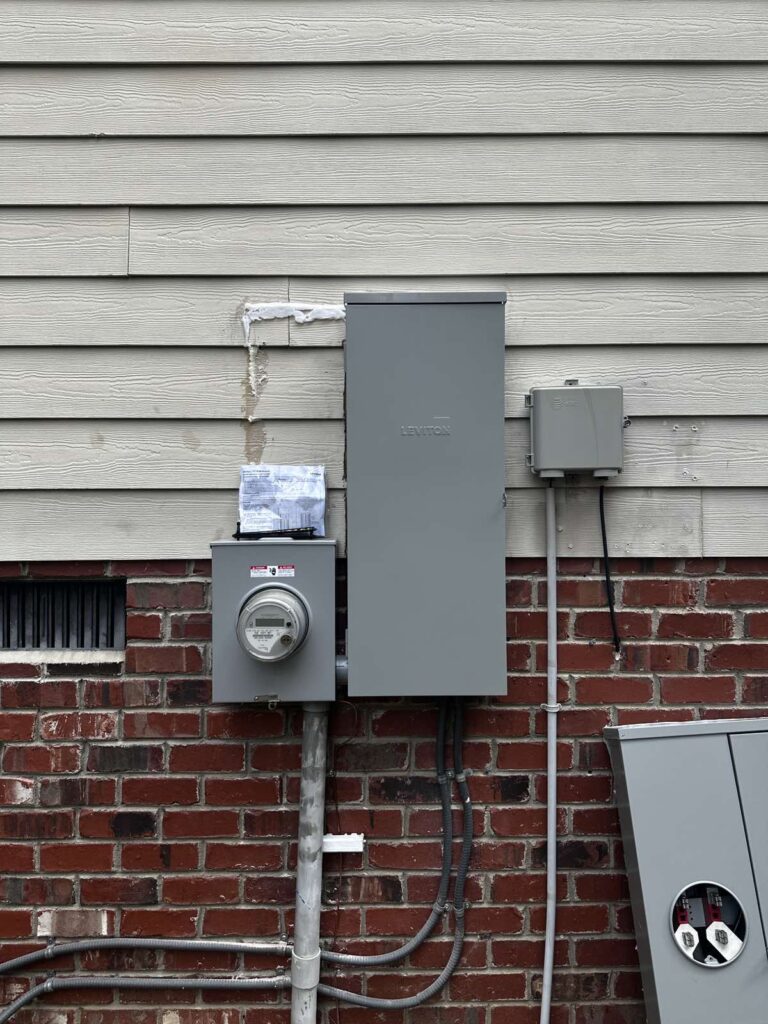
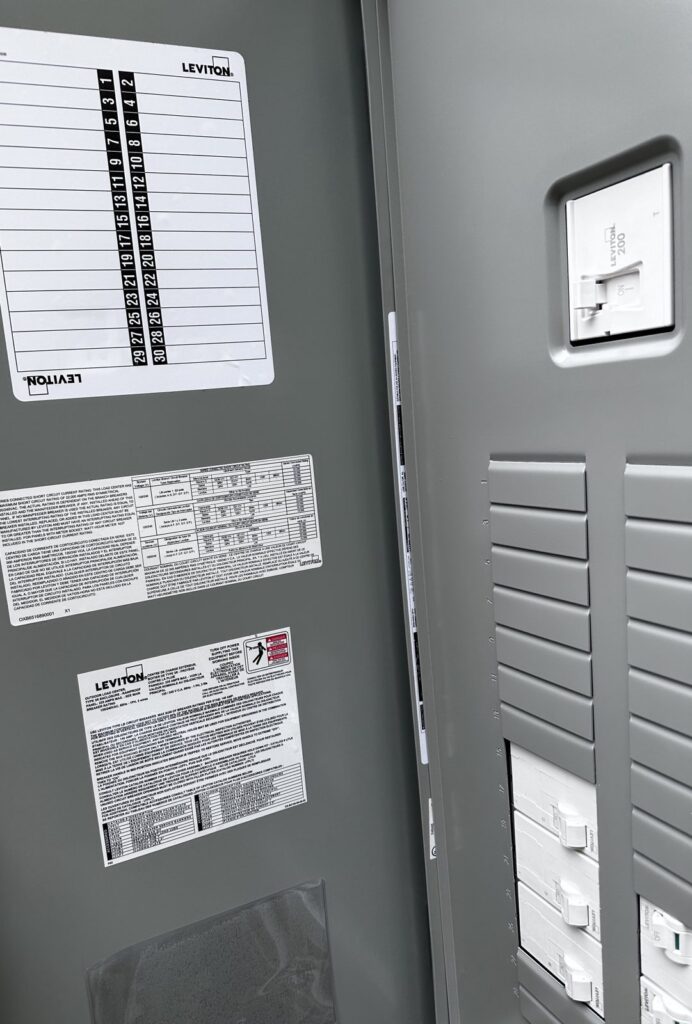
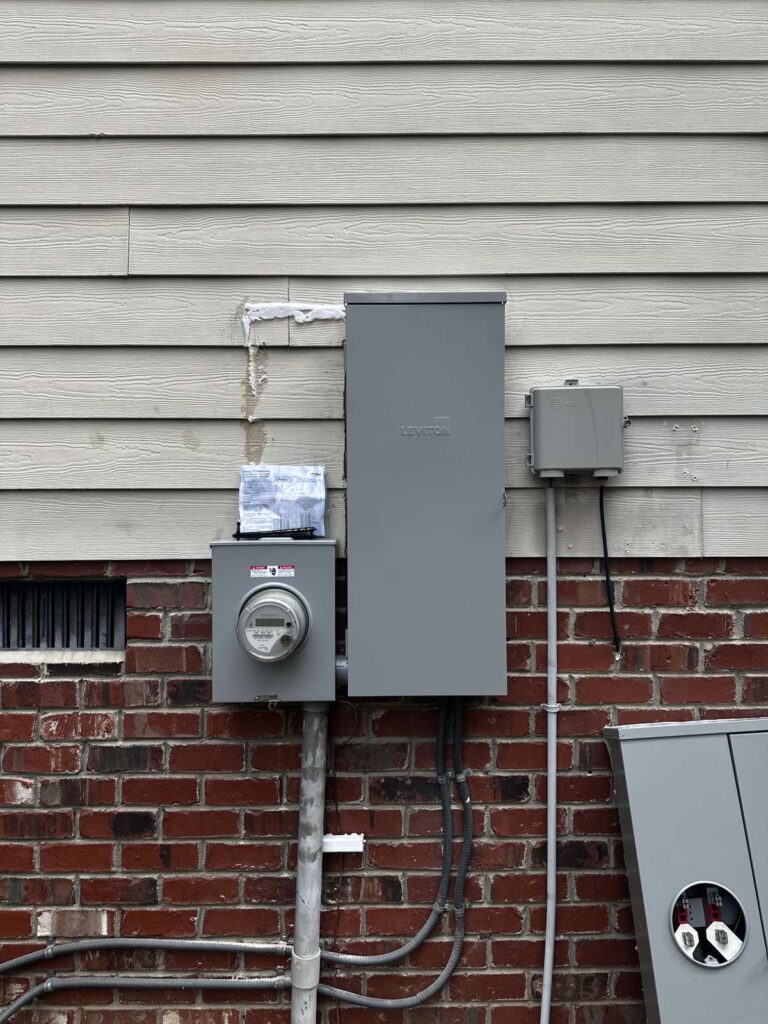
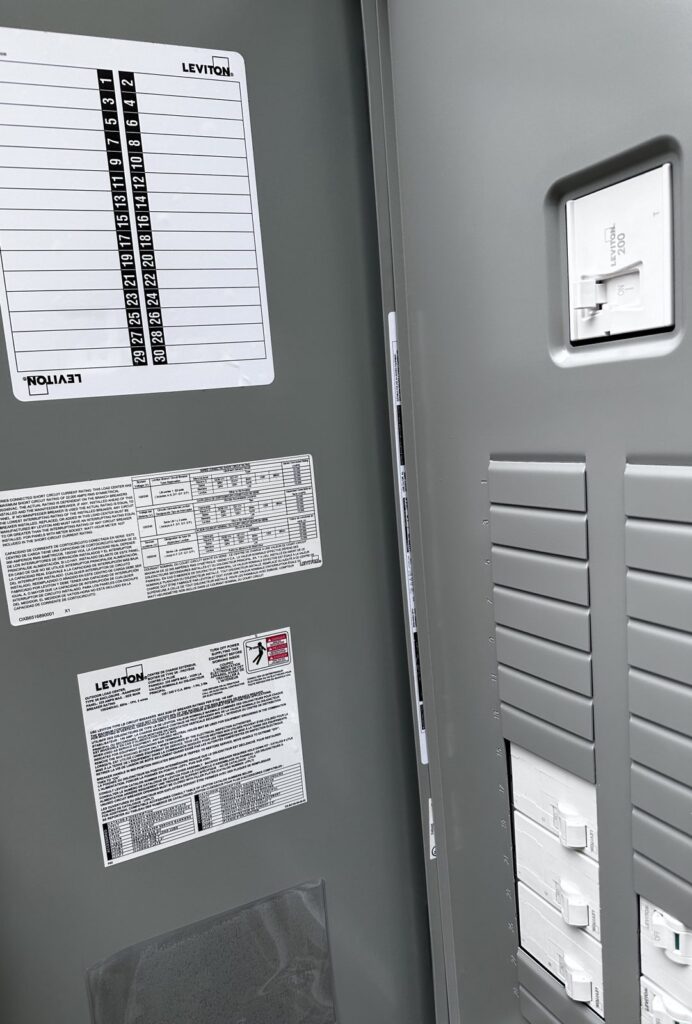
What I Would Ask Before Hiring Lanier Electric Group or Another Electrician
This experience taught me to ask more questions before approving electrical work. A panel upgrade is too important to handle with verbal assumptions.
- Is the selected panel approved by the utility?
- Who confirms the exact panel model before purchase?
- Who handles permits and inspections?
- Will the electrician provide written approval before I buy materials?
- Will the utility require a specific meter base or panel type?
- What happens if the utility rejects the panel?
- Will all breakers be labeled before the job is complete?
- Will I receive a final walkthrough after the installation?
- How are change orders and extra labor approved?
Where Homeowners Can Check Electrical Contractor Information
Before starting a panel upgrade, homeowners should verify who handles permits, inspections, and utility coordination. Do not assume the contractor has already checked every requirement.
If you need to review an electrical contractor issue in North Carolina, the North Carolina State Board of Examiners of Electrical Contractors complaint page explains how written complaints can be submitted. This is not legal advice, but it is a useful official resource.
Related Home Project Posts
You can also read my related posts about hiring an experienced pool builder, Triangle Swimming Pools problems, pool builder breach of contract lessons, and North Carolina pool permit lessons.
Final Thoughts on My Lanier Electric Group Review
My Lanier Electric Group review is based on my personal experience with a panel upgrade connected to our pool construction project. The situation involved panel selection, utility approval issues, unexpected cost changes, and an installation that left us with unlabeled breakers.
My advice is simple. Get every approval in writing. Confirm utility requirements before buying equipment. Ask who handles permits and inspections. Require clear change orders before paying extra. Finally, make sure the electrician labels the panel and walks you through the finished work.
Conversation