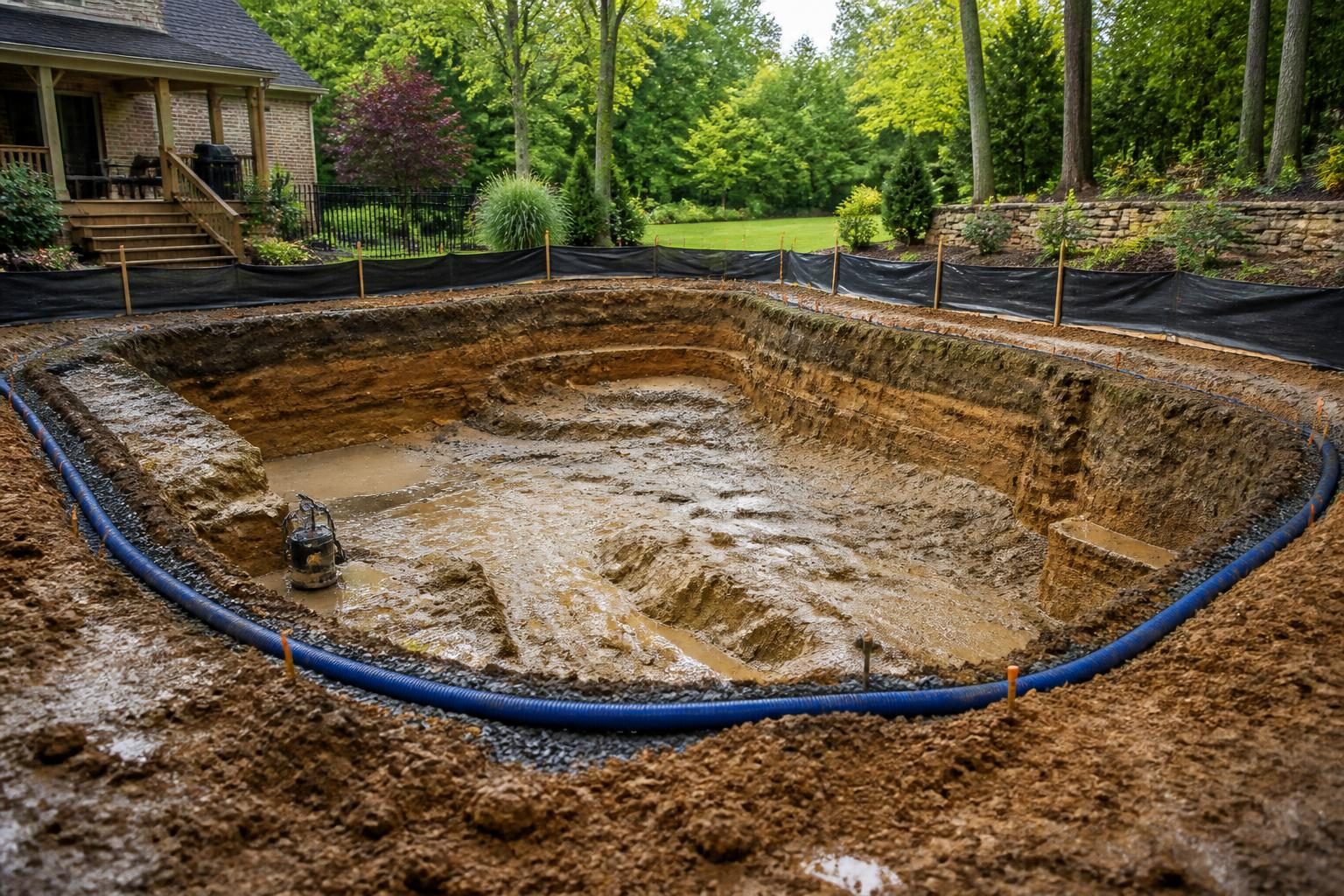
Groundwater can affect excavation, drainage, scheduling, and construction decisions. Learn what to observe and ask before work begins on a North Carolina pool.
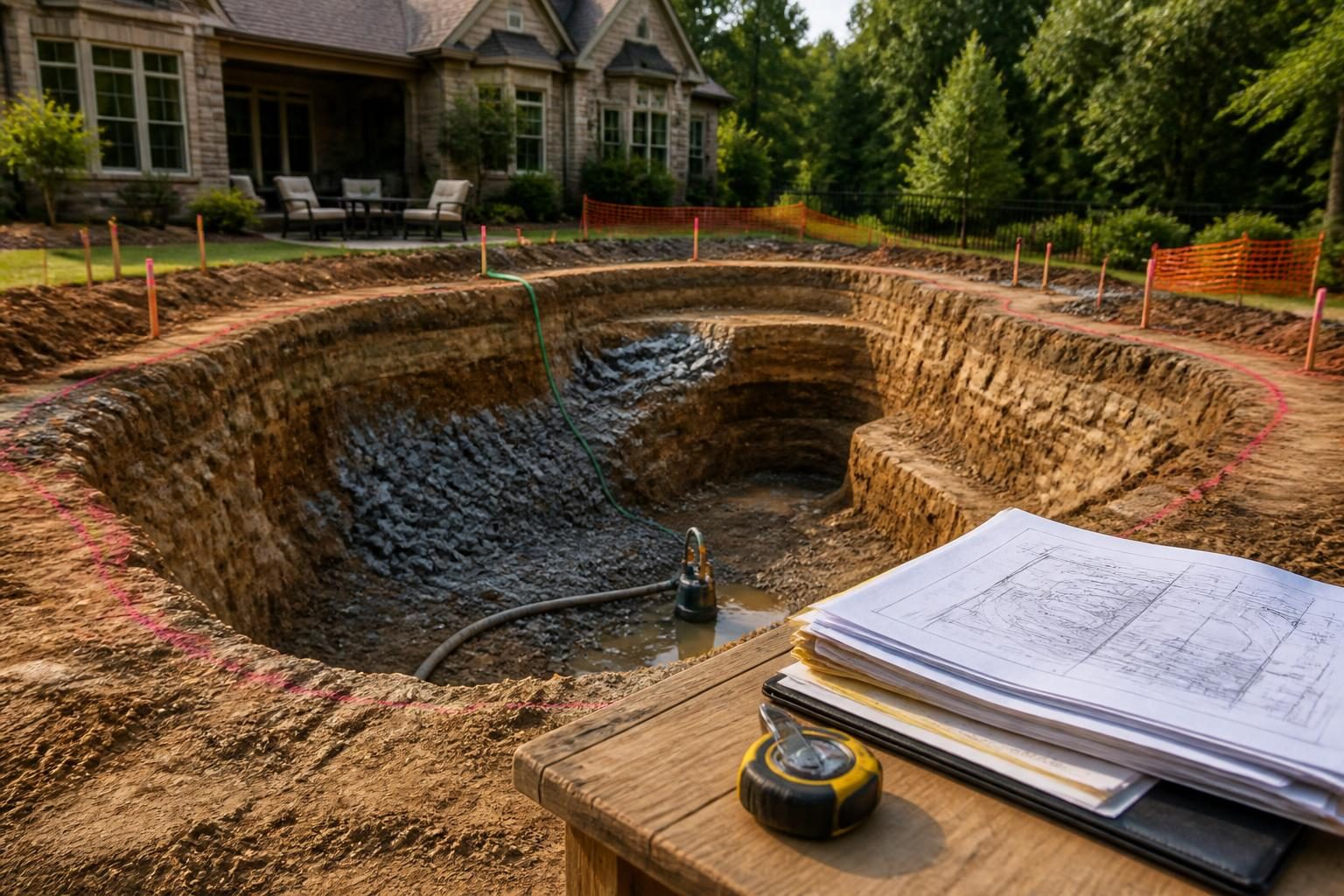
Unexpected rock, groundwater, unstable soil, or revised dimensions can change a pool project. Learn what to document before excavation continues.
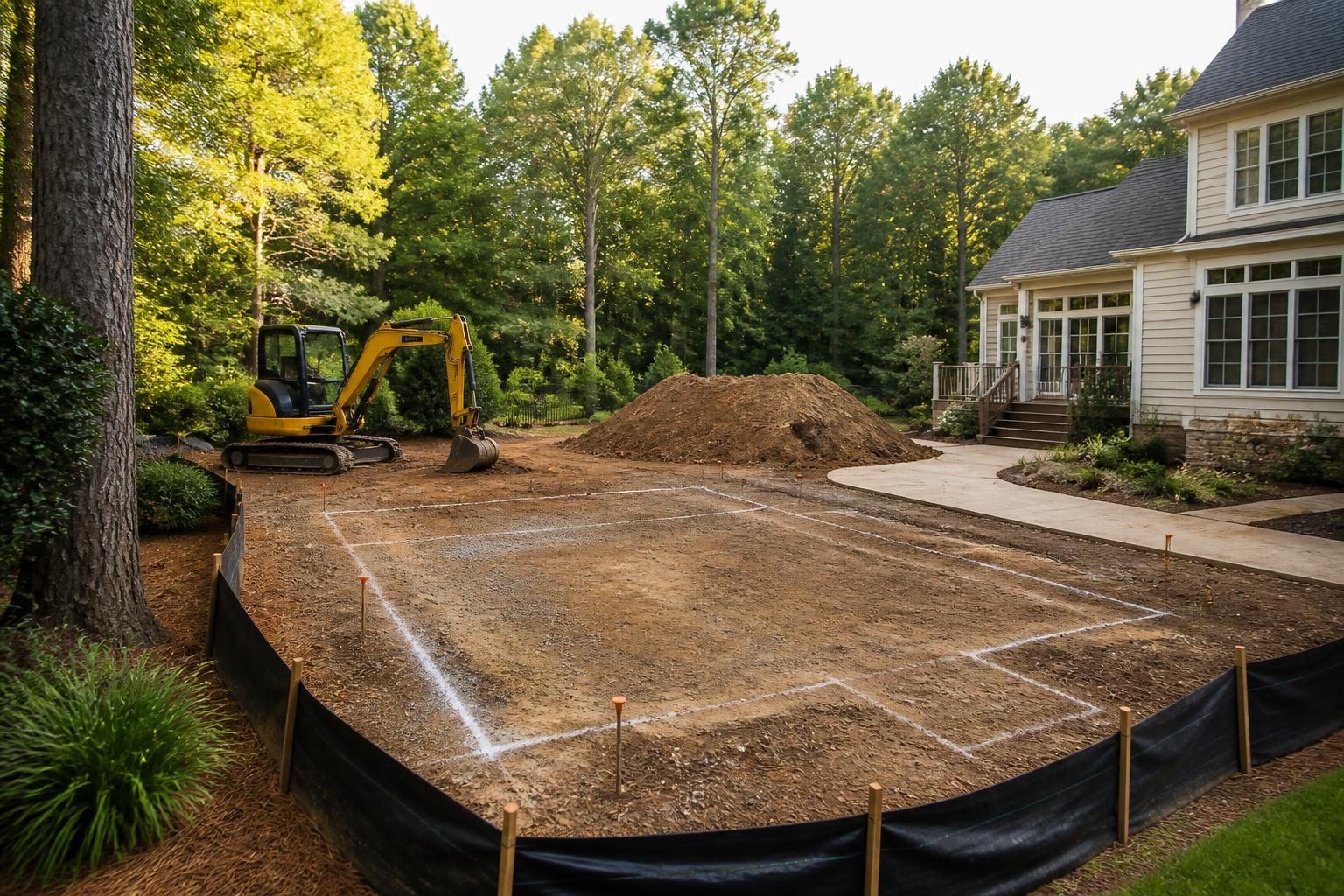
Before excavation begins, clarify where surplus soil will go, how hauling affects access, and how removal responsibilities appear in your pool documents.
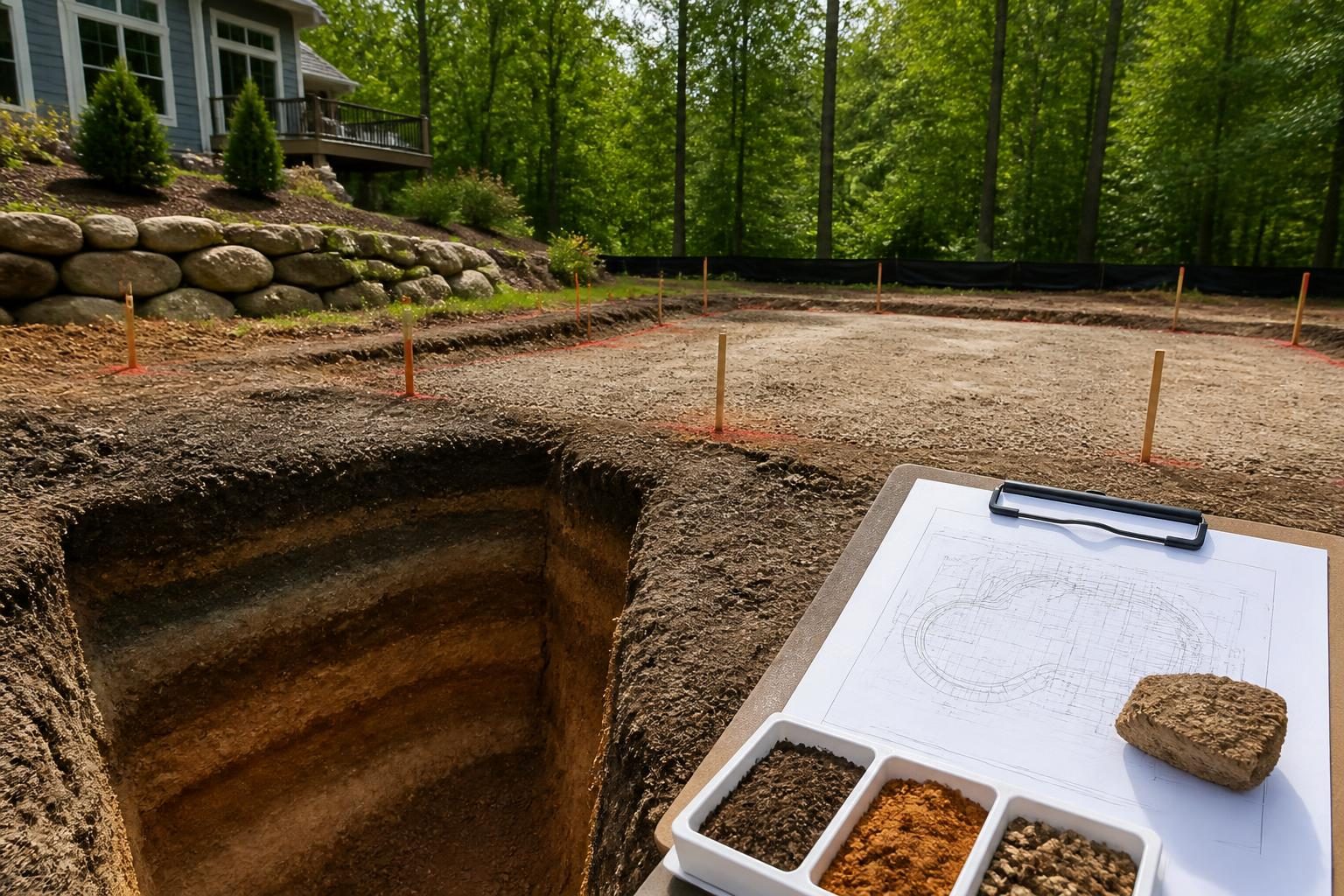
Soil conditions can change pool excavation, drainage, structural design, and cost assumptions. Learn what North Carolina homeowners should ask for before digging.
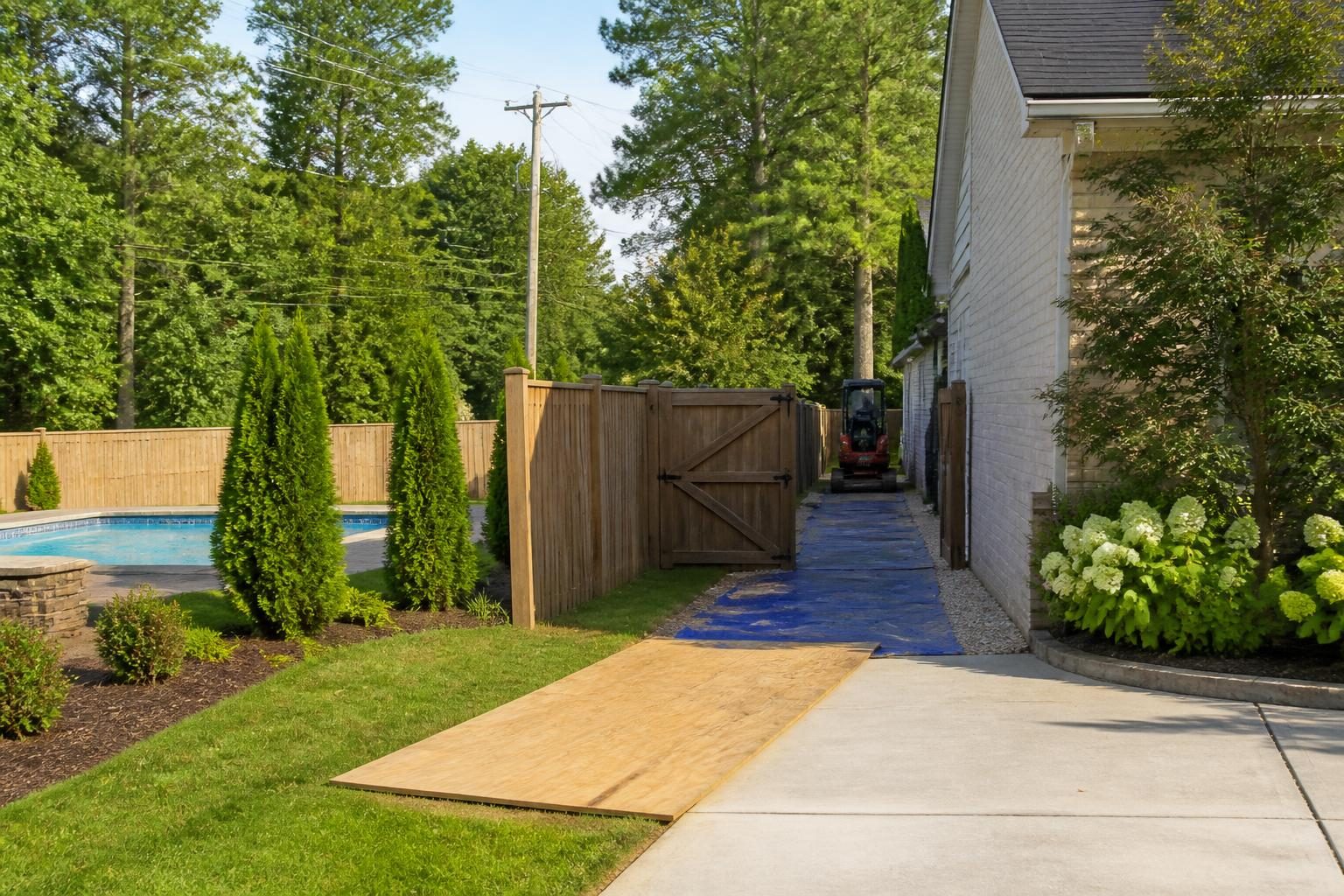
Backyard access can shape pool design, excavation, deliveries, costs, safety, and restoration. Learn what to measure and confirm before work begins.
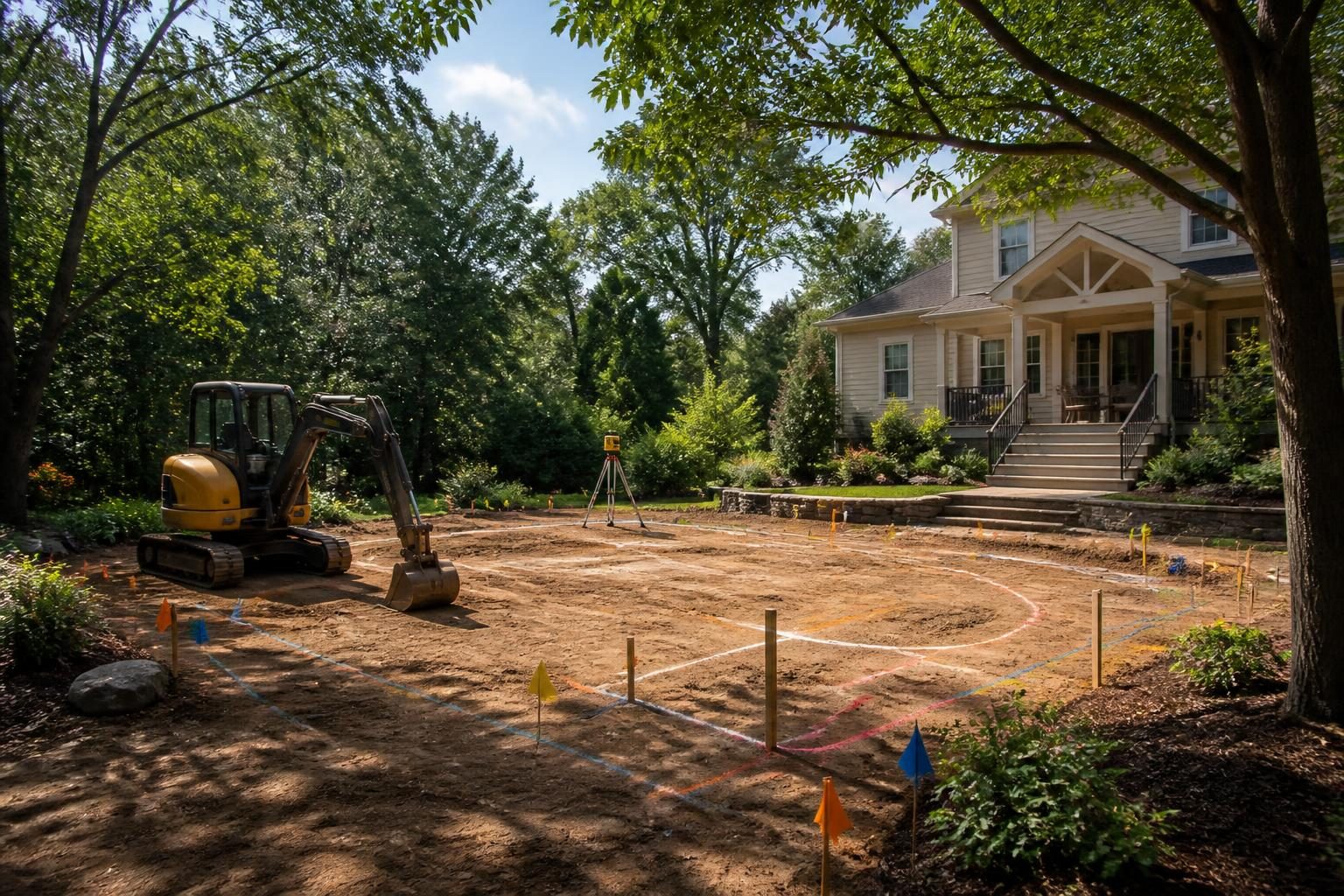
Before a pool crew breaks ground, learn how North Carolina 811 utility locating works, what it does not cover, and how to prepare for safe excavation.
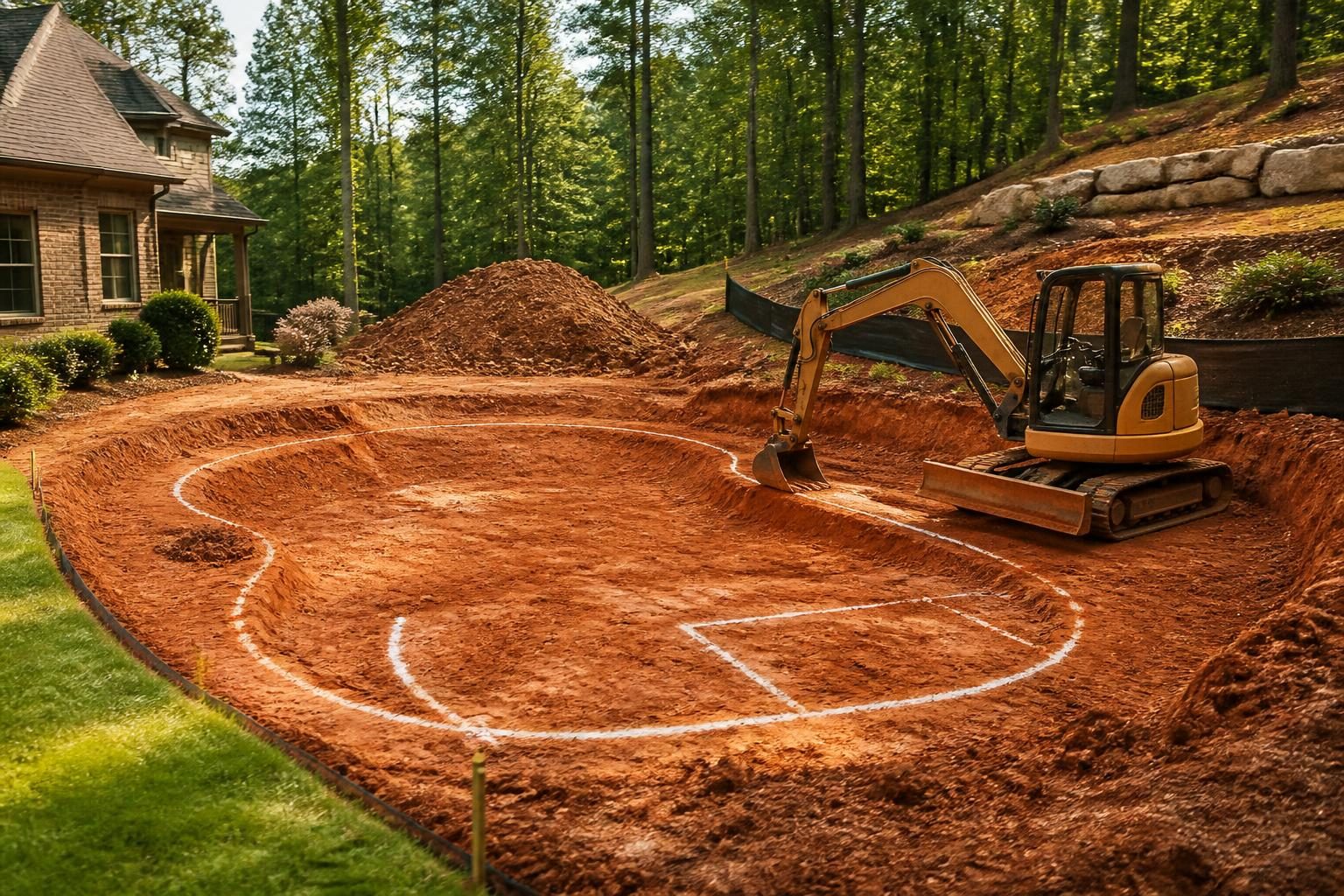
Learn how clay soil, limited access, spoil placement, groundwater, slopes, and compaction can affect pool excavation planning in North Carolina.
Build a Pool in North Carolina: Planning Guide for Homeowners If you want to build a […]