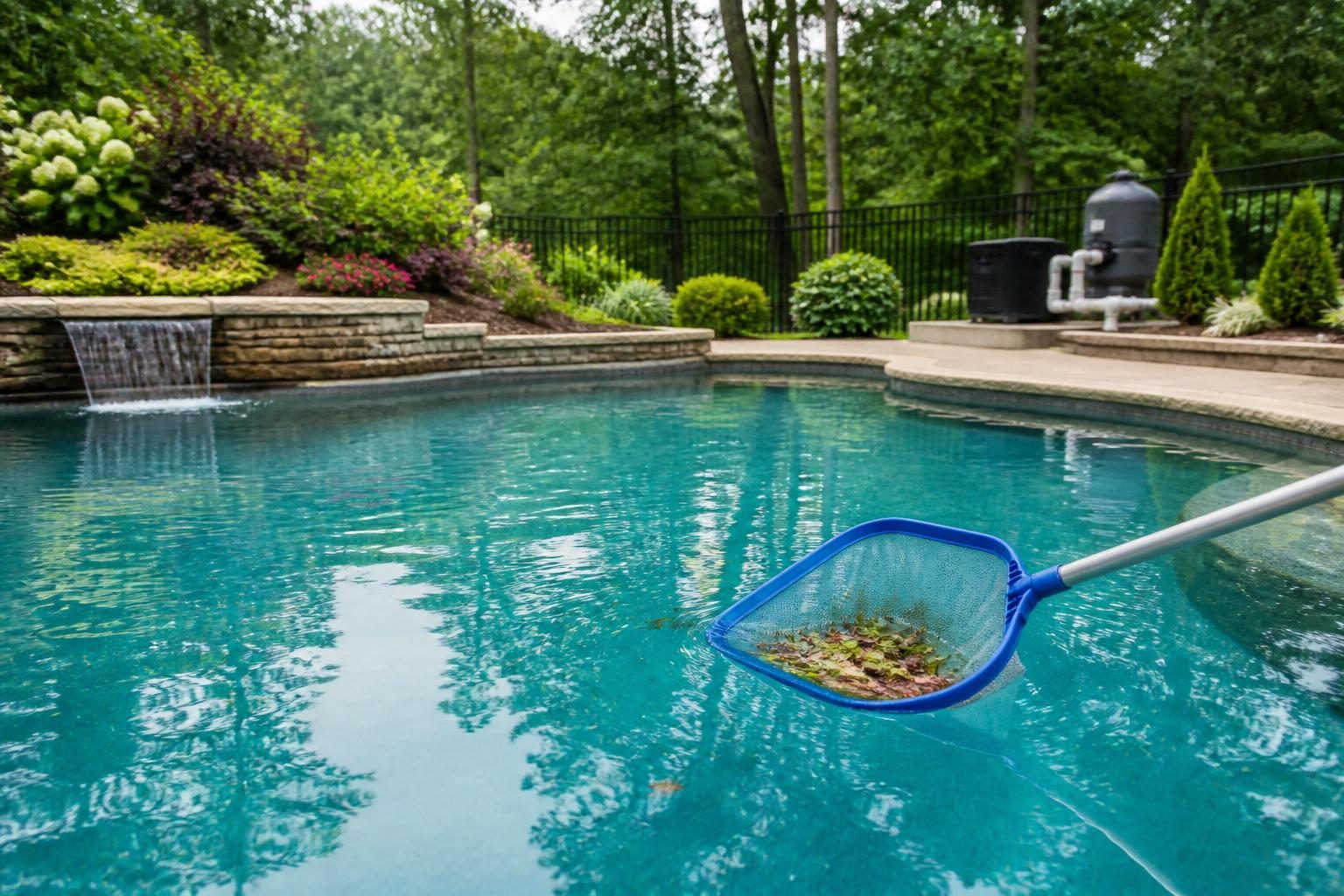
Humidity, heat, rain, and debris can change pool water and equipment conditions. Use this seasonal North Carolina routine to stay ahead of algae and wear.
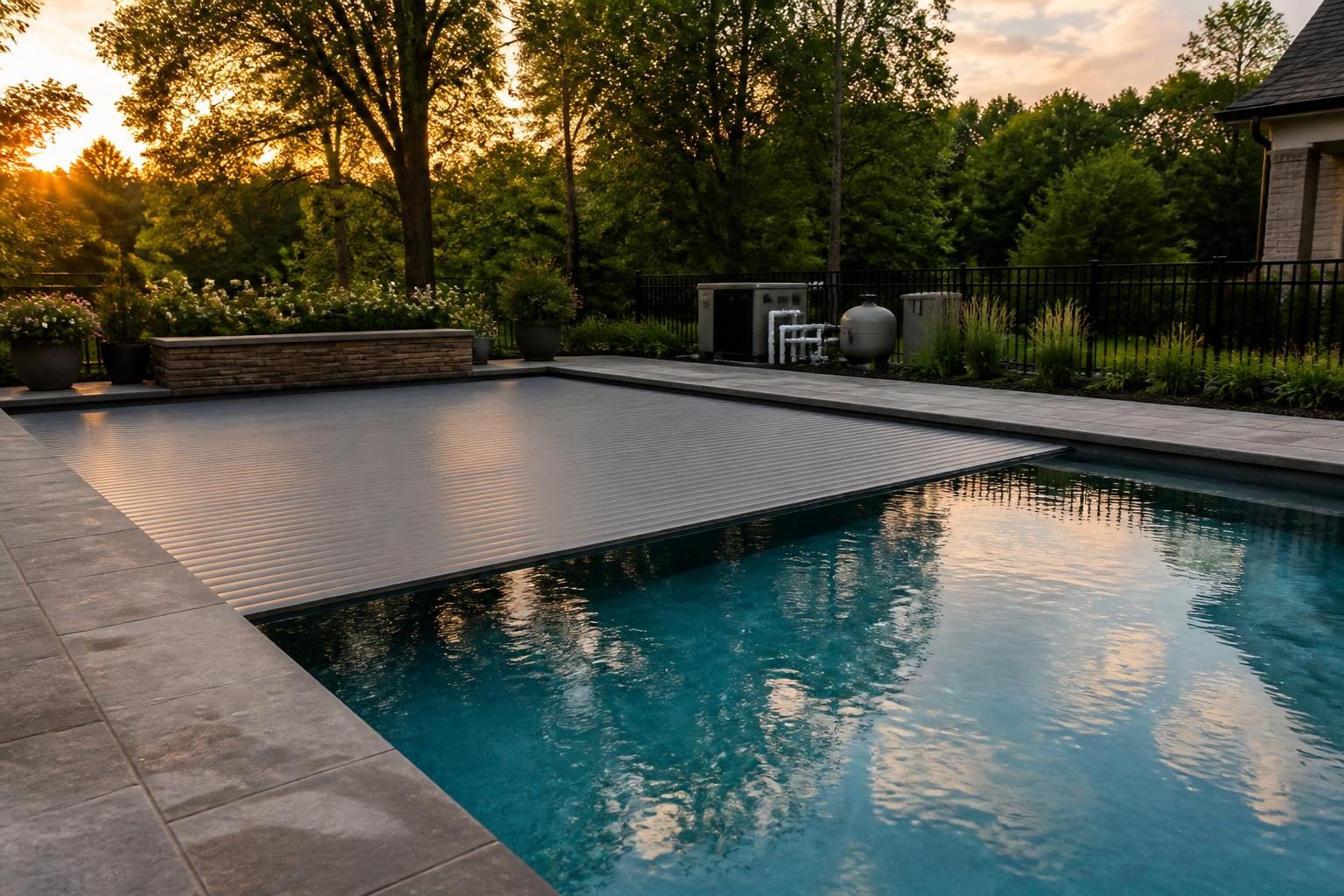
Compare pool cover types, fit, safety, storage, evaporation control, and owner habits before choosing a cover for a North Carolina pool.
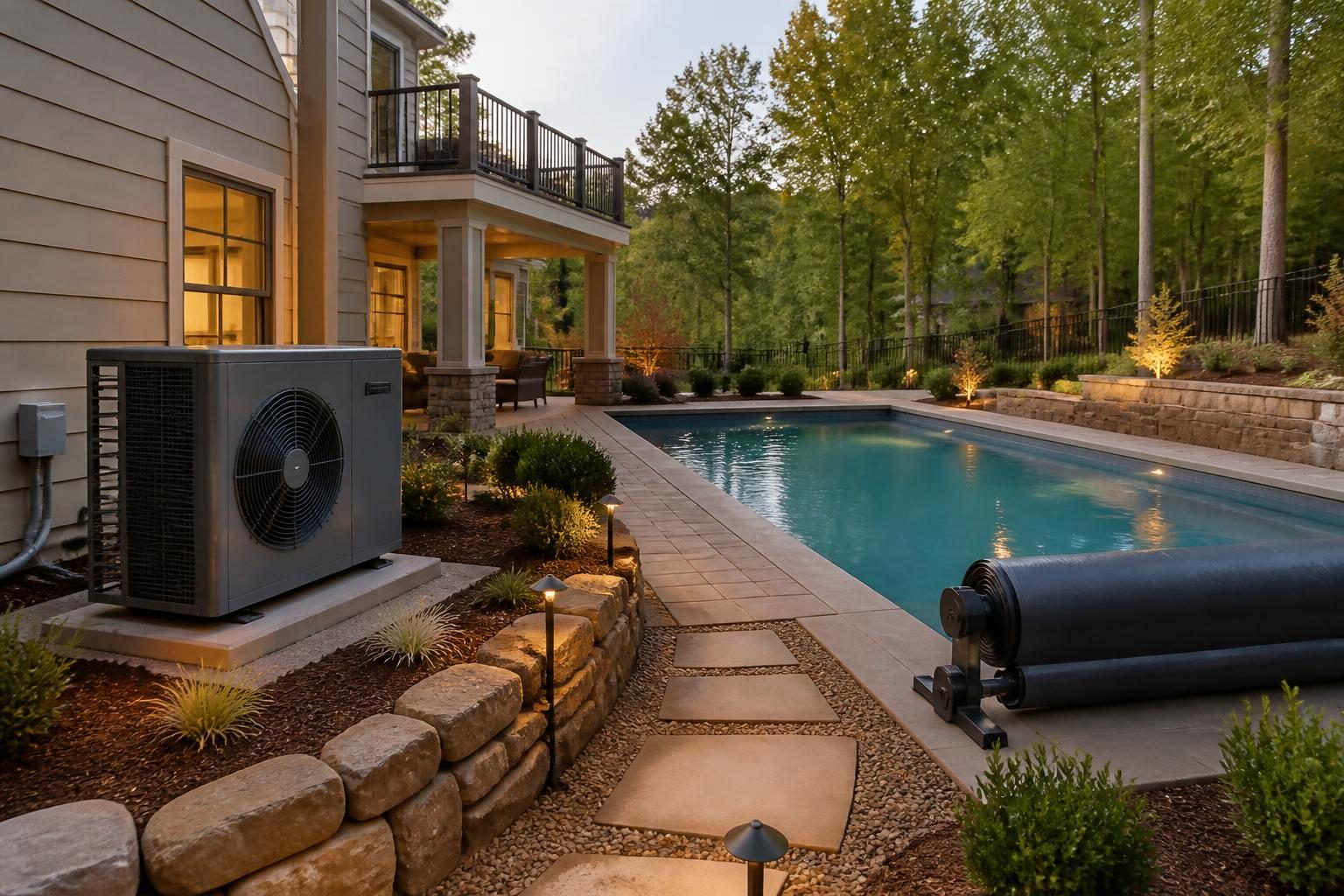
Compare heat pumps, gas heaters, solar-assisted options, covers, operating conditions, and utility needs before selecting a pool heating plan in North Carolina.
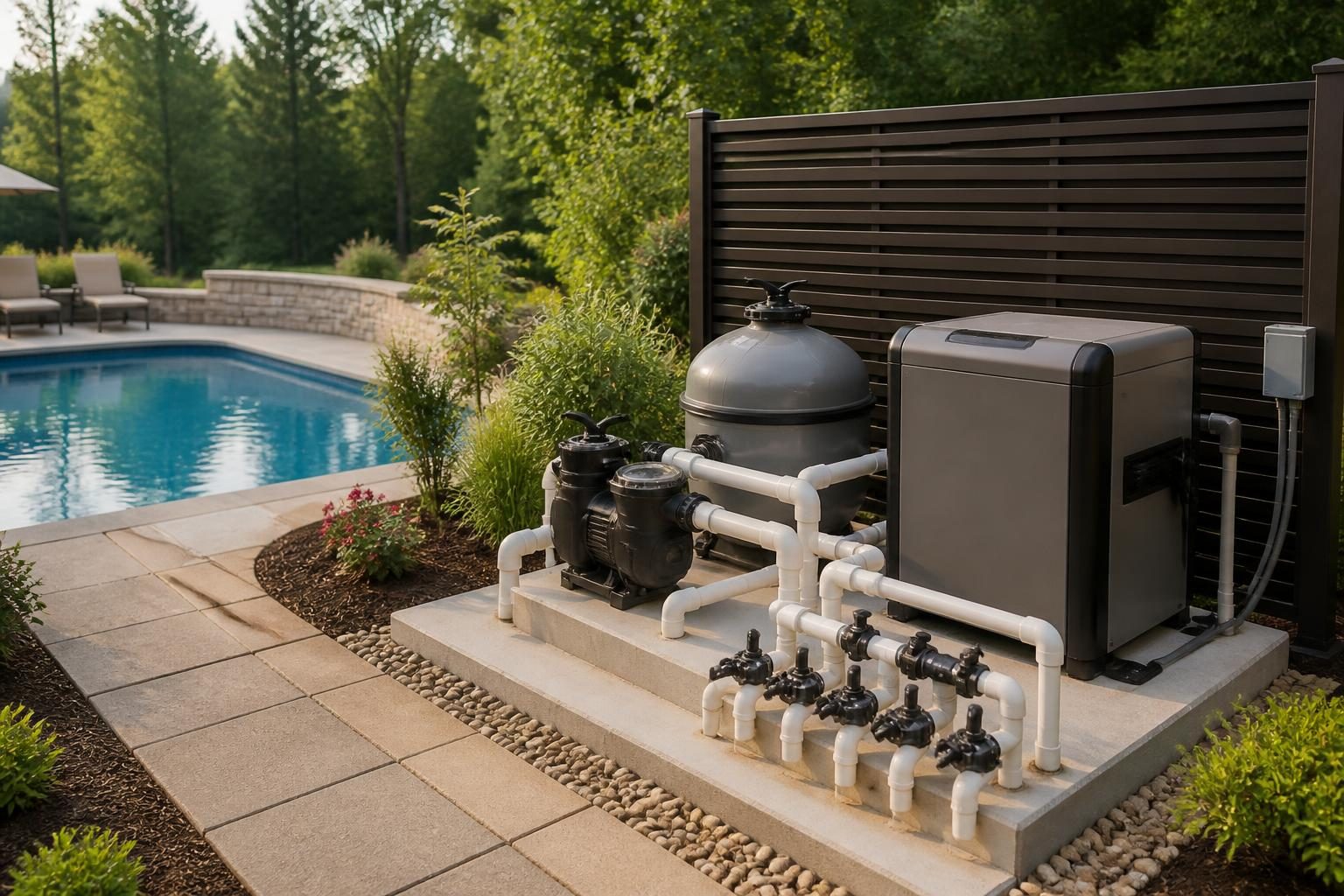
Plan a pool equipment pad around service access, drainage, noise, weather, ventilation, plumbing runs, and future maintenance needs.
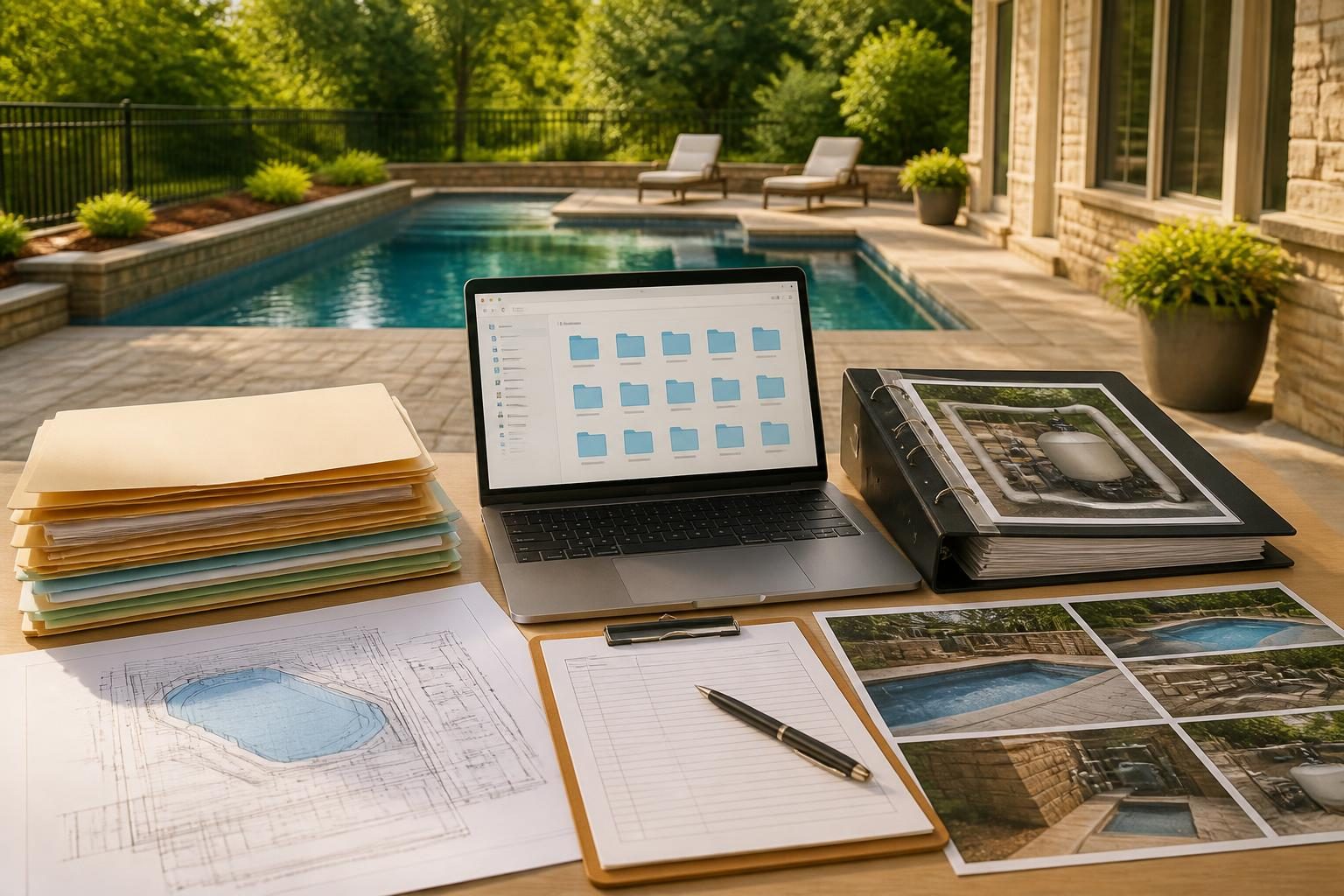
Create a practical digital and paper filing system for pool plans, permits, selections, invoices, inspections, photos, correspondence, and manuals before construction begins.
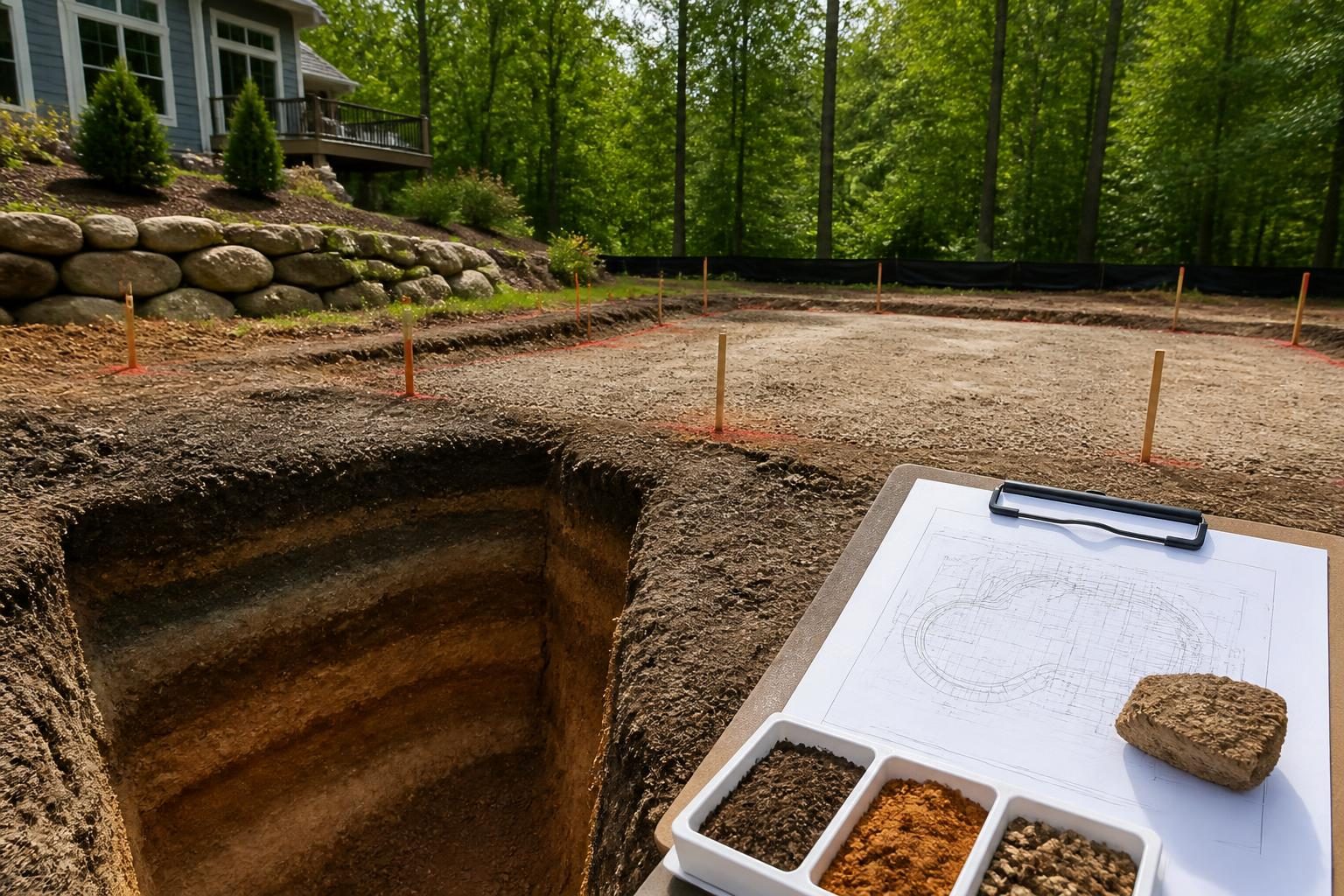
Soil conditions can change pool excavation, drainage, structural design, and cost assumptions. Learn what North Carolina homeowners should ask for before digging.
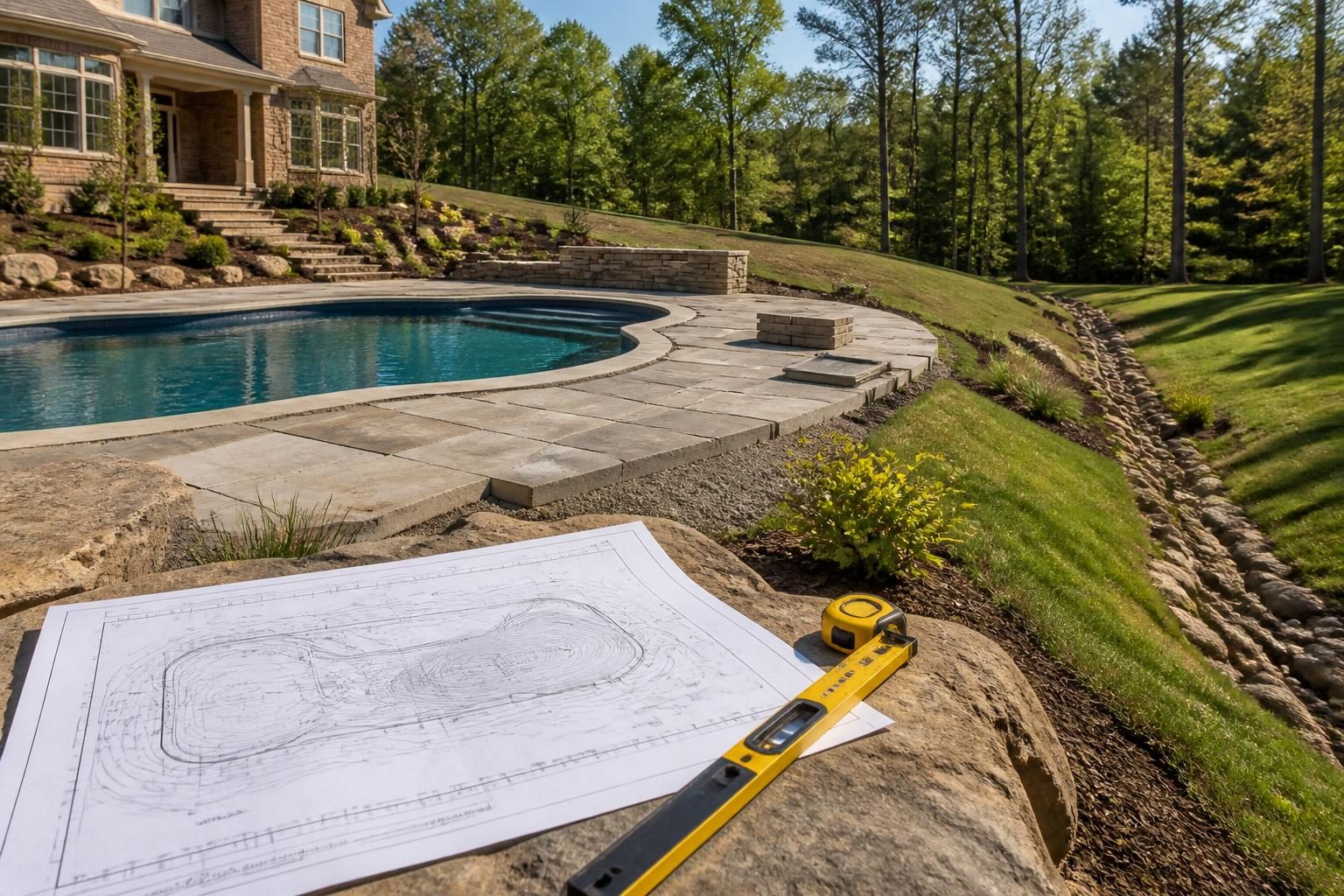
Learn how to review pool grading drawings, finished elevations, runoff arrows, retaining features, drainage outlets, and possible impacts on neighboring property.
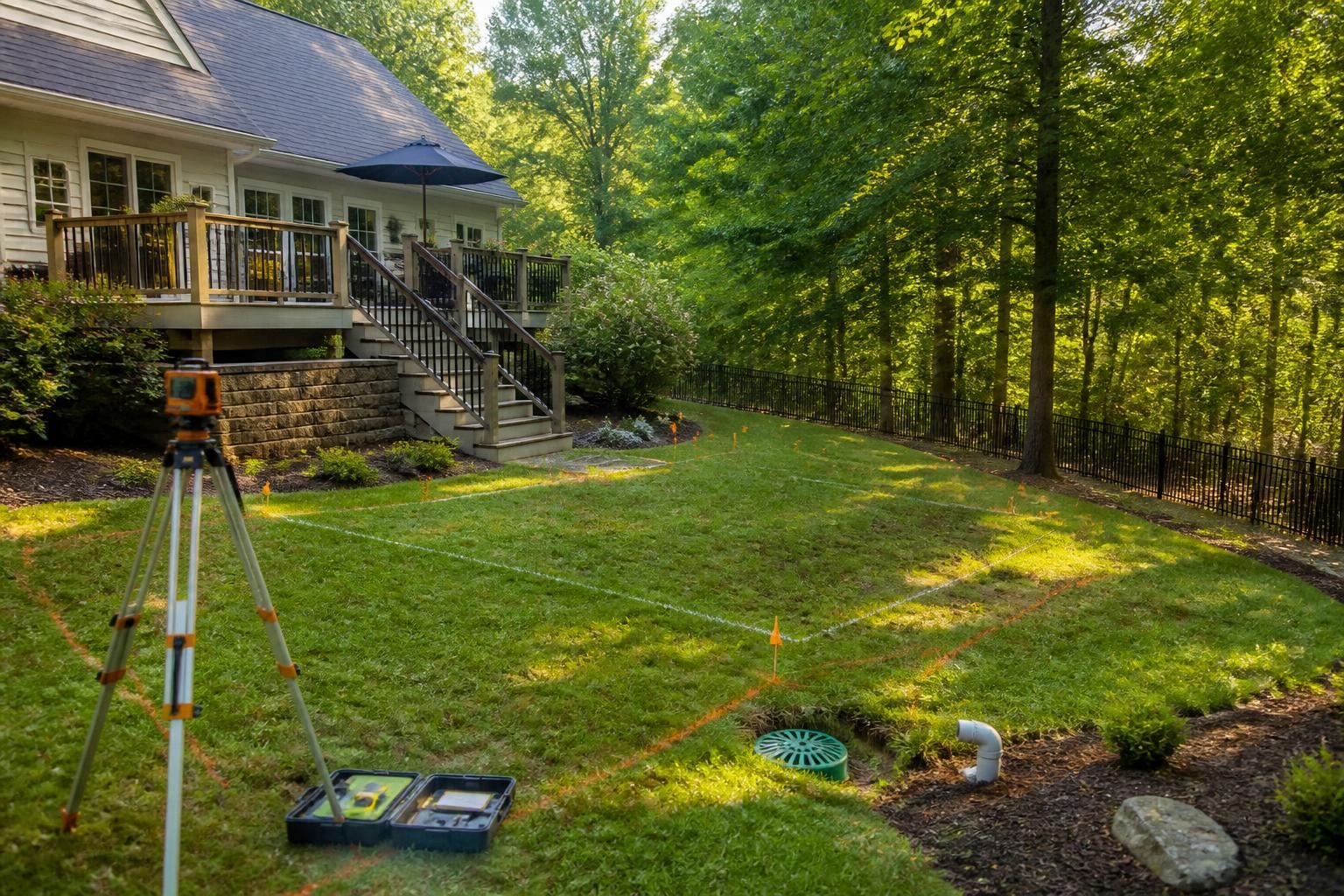
Assess slope, access, utilities, drainage, soil, structures, and usable yard area before commissioning an in-ground pool design in North Carolina.
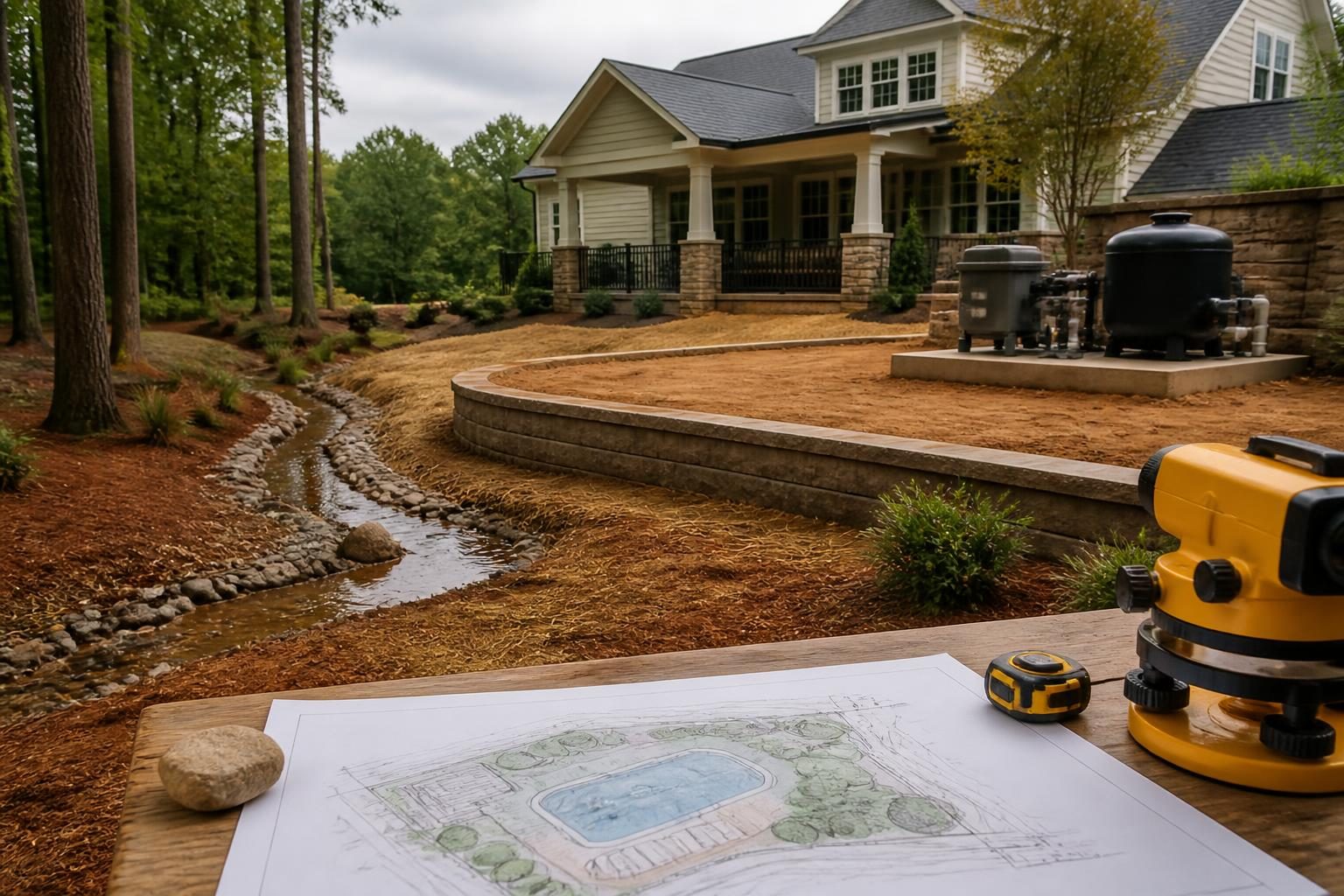
Flood risk can affect pool location, equipment elevation, drainage, excavation, insurance discussions, and professional design. Learn what North Carolina homeowners should review before construction.
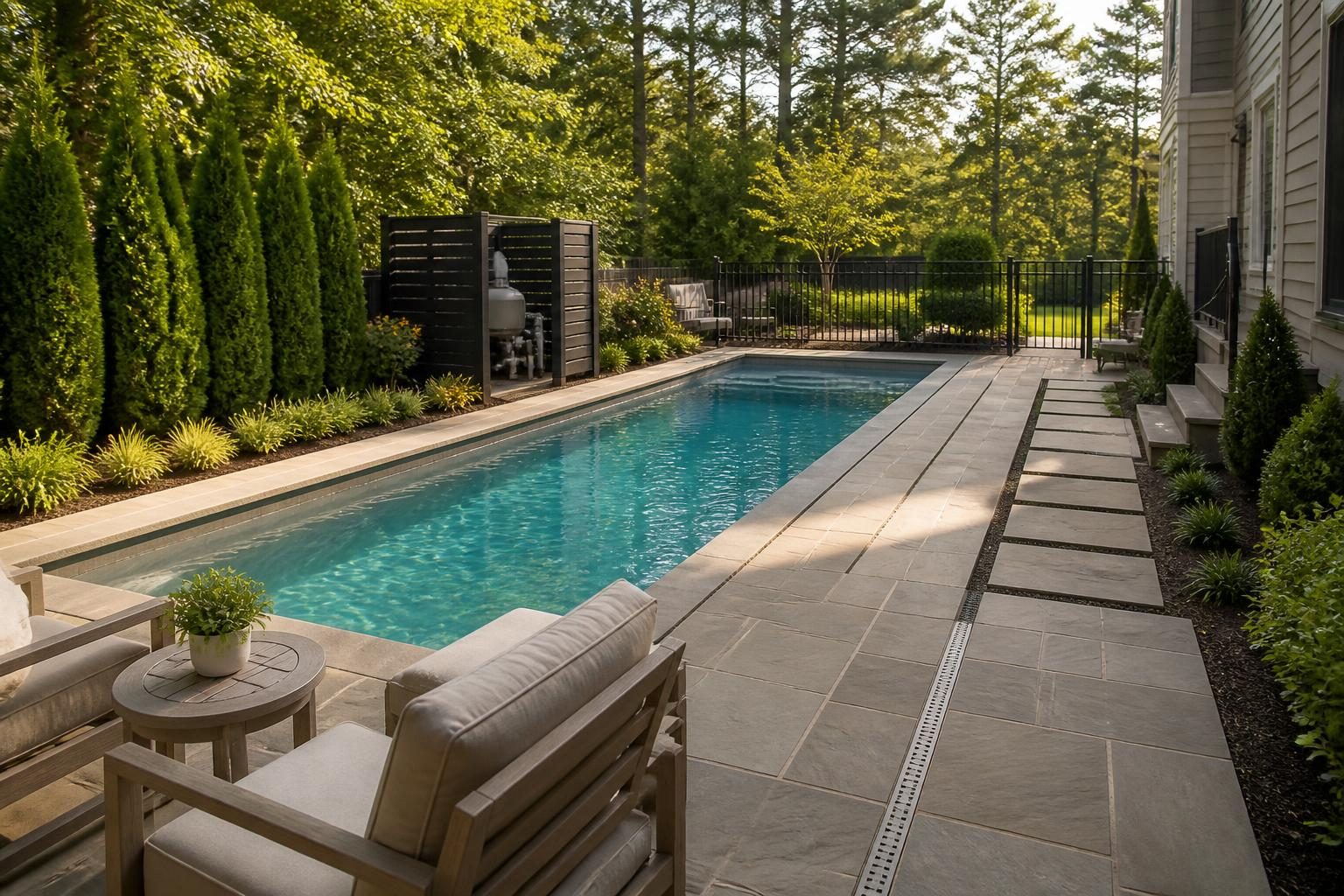
Planning a pool in a compact North Carolina yard? Use these practical design questions to review setbacks, access, drainage, equipment, safety, privacy, and daily use.