Poolside Maintenance
Practical mosquito prevention around pool covers and accessories
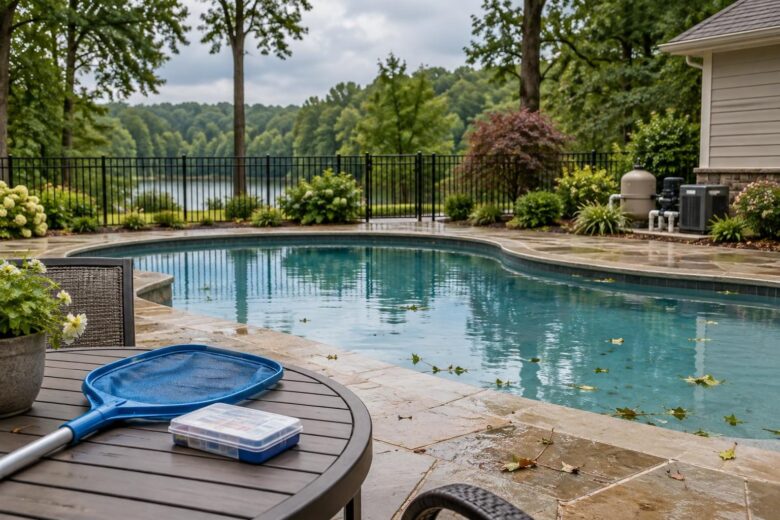
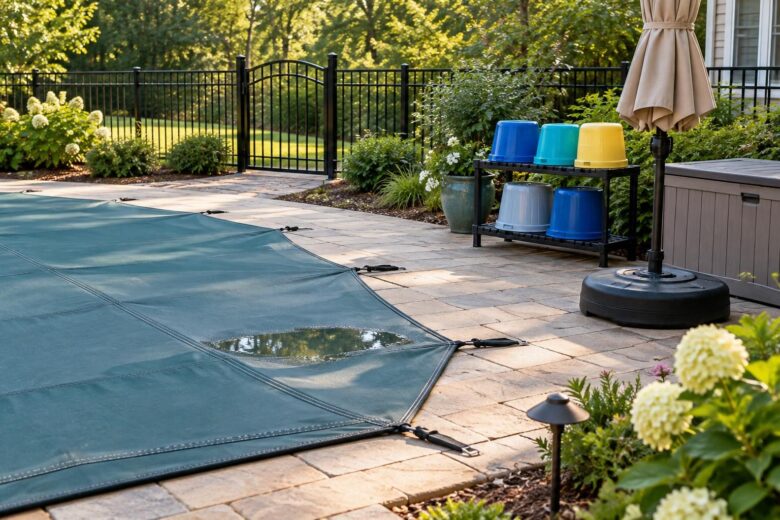
Rainwater can hide in cover folds, toy bins, umbrella bases, and nearby containers. Learn how to remove it safely, preserve pool barriers, and…
7 min read
CAROLINA POOL JOURNAL
Rainwater can hide in cover folds, toy bins, umbrella bases, and nearby containers. Learn how to remove it safely, preserve pool barriers, and…
When summer outages stop pool circulation, pause swimming, track water conditions, remove debris safely, and check equipment before restarting.
A long pool or deep-looking area does not establish that diving is safe. Set clear guest rules, supervise actively, and request documented professional…
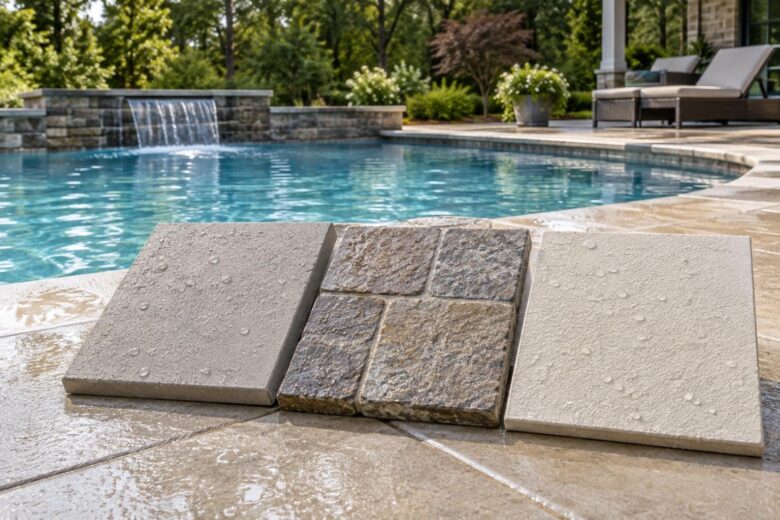
A dry sample cannot show how a pool deck will perform after sealing, wear, sunscreen buildup, or biological growth. Learn what to request…
Before choosing a ledge umbrella, verify pole fit, water-depth compatibility, sleeve drainage, caps, wind limits, and seasonal removal details in writing.
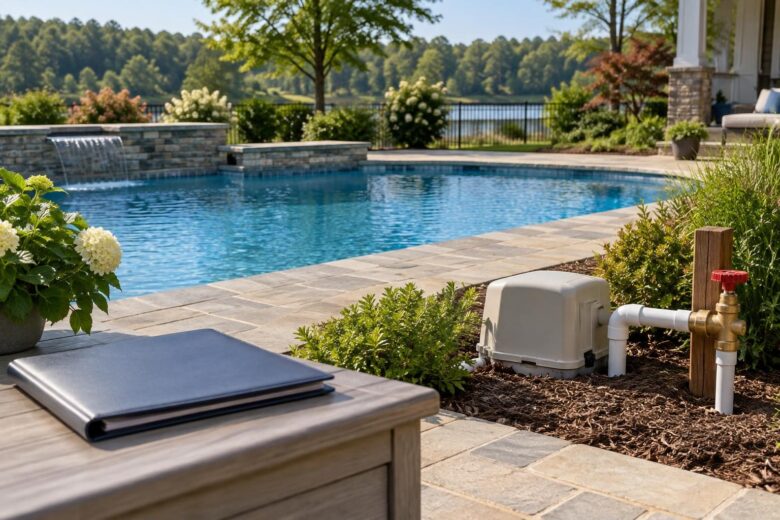
An automatic pool filler can save attention, but it can also hide water loss. Compare connection protection, accessible shutoffs, monitoring, winter service, and…
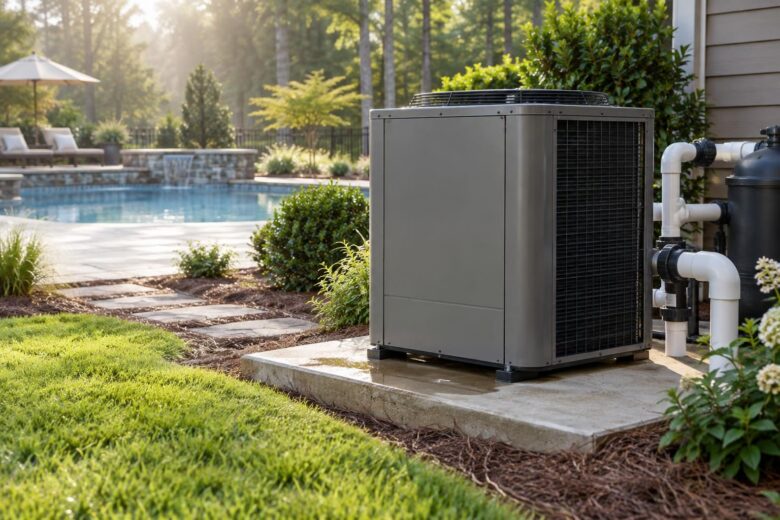
Water beneath a pool heat pump can come from condensation, a leak, or nearby runoff. Learn which external observations and operating notes help…
Cool water can reduce or stop salt-system chlorine production without indicating a failed cell. Learn how to check model-specific limits, verify water readings,…
A phosphate reading alone does not justify another pool chemical. Review sanitation, filtration, runoff, and recurring problems before paying for treatment.
A chlorine reading does not explain cloudy water or establish safe swimming conditions. Follow a practical sequence for visibility, testing, circulation, filtration, and…