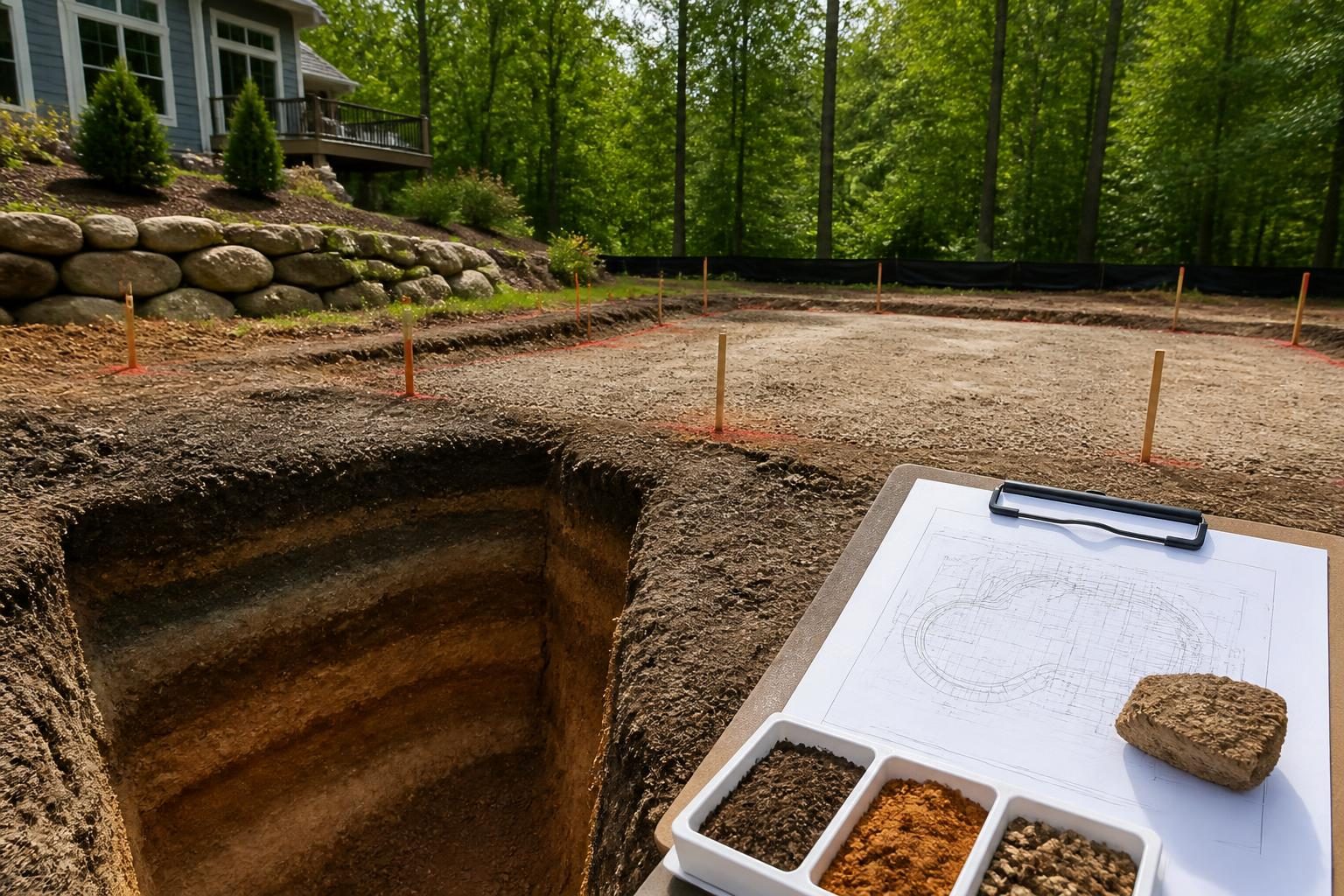
Learn how groundwater observations, shell protection, drainage design, and qualified reviews can inform pool planning on North Carolina sites with possible subsurface water.
Learn how to document nearby structures, set communication procedures, and ask practical questions about vibration controls before pool excavation begins.
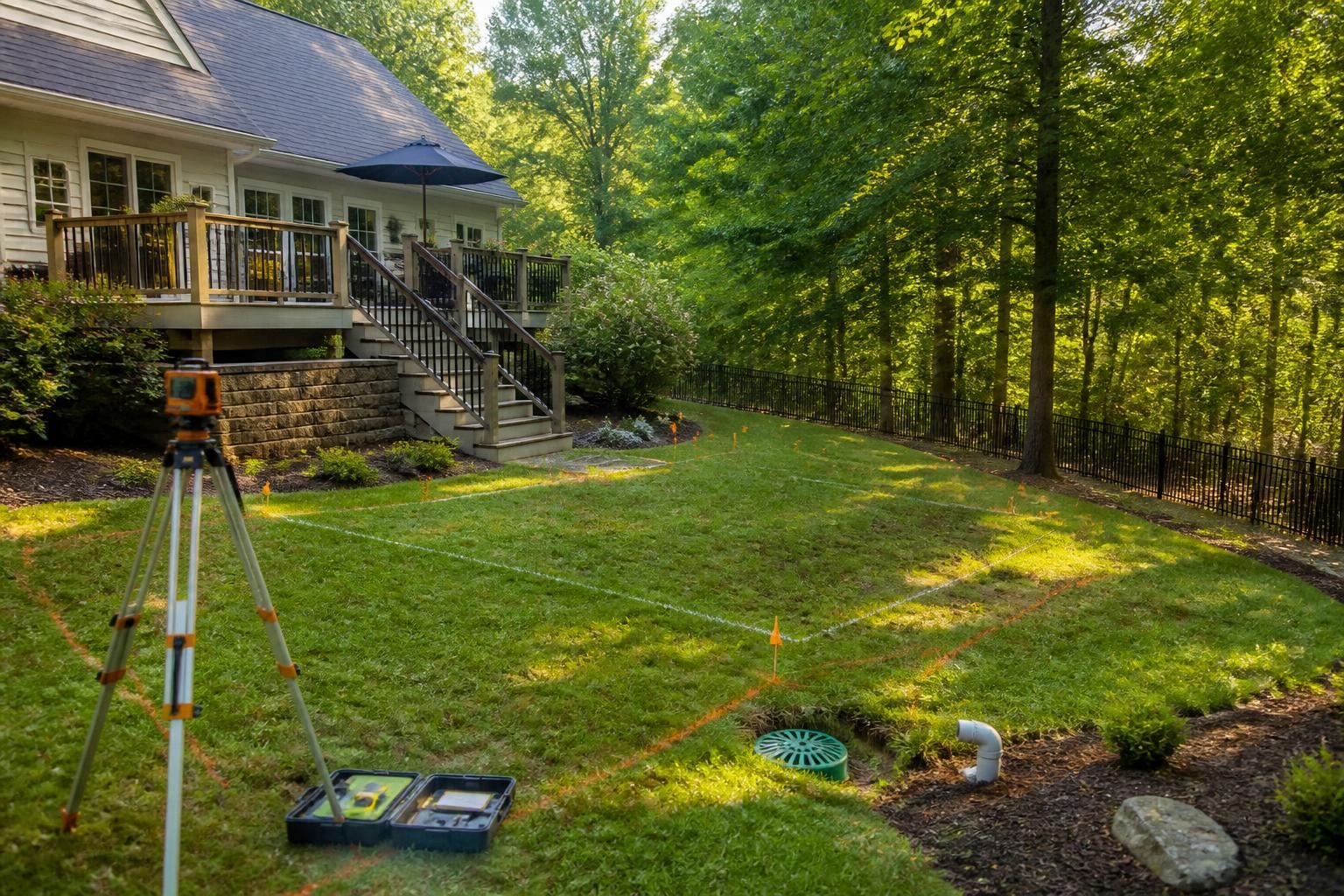
Learn how boundary, contour, and elevation information can guide pool placement, grading, drainage, access, and early design decisions on a North Carolina property.
Heavy rain can move pool water, stormwater, soil, and debris in unexpected ways. Review levels, grades, overflow paths, structures, and local conditions before building.
Learn how to map seasonal sunlight, shade, tree growth, and nearby structures before choosing a North Carolina pool location, cover, heater, or equipment plan.
A crawl space changes how homeowners should review pool drainage, excavation vibration, grading, access, and moisture observations before construction.
Learn how to compare finished pool grades with the plan, observe rainwater flow, and organize photos and records after backfilling and landscaping.
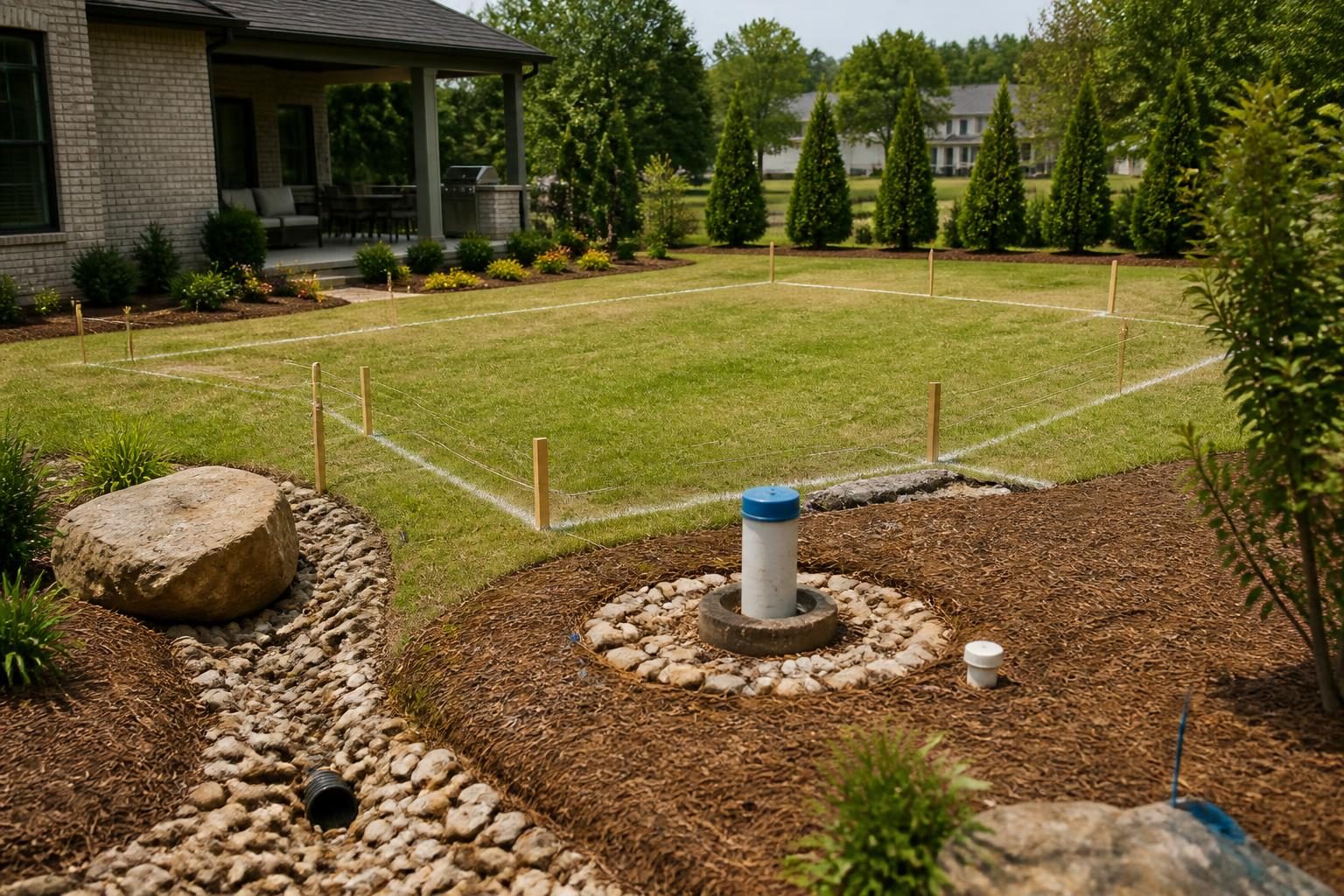
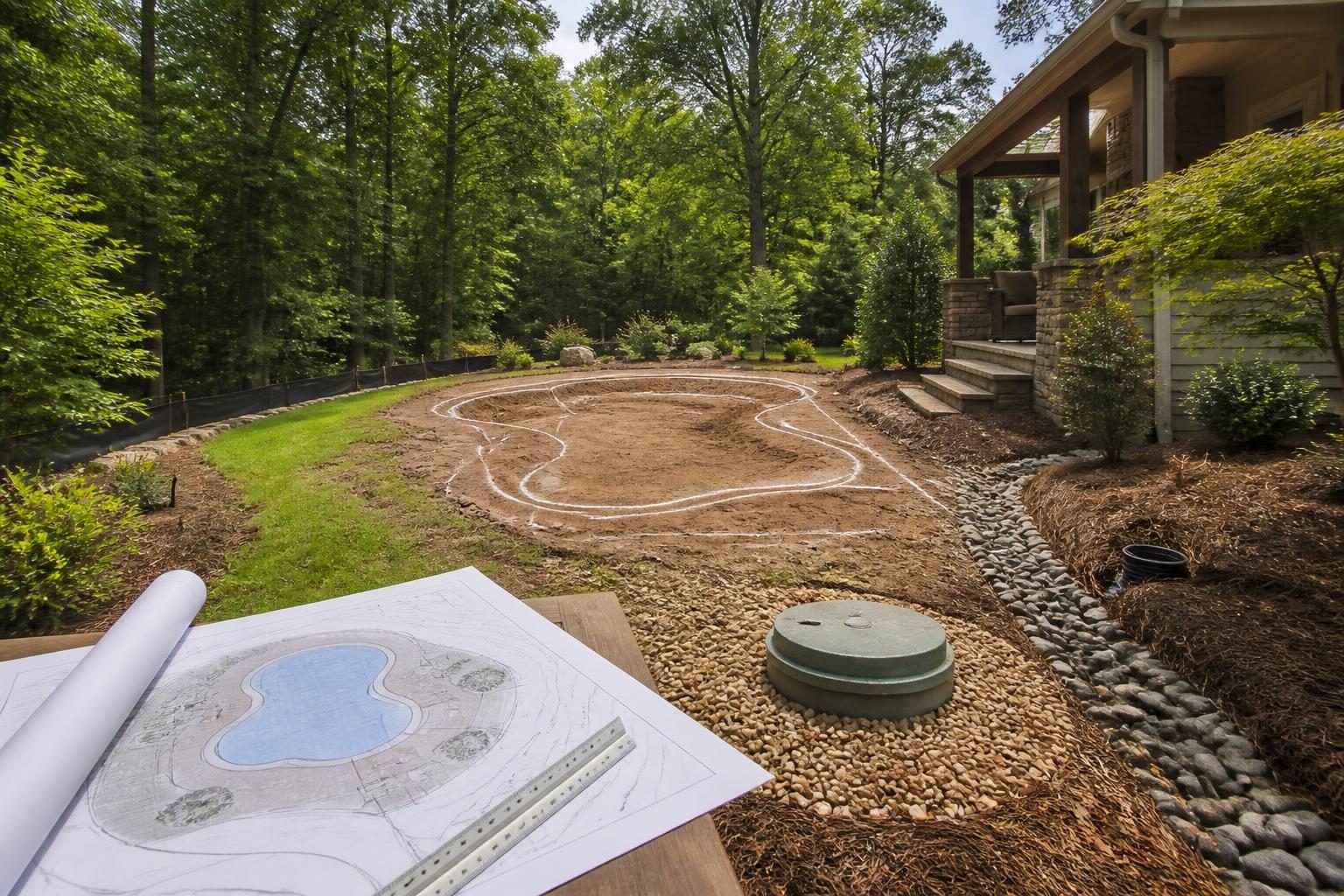
Before designing a pool, North Carolina homeowners can gather septic permits, site records, repair history, and field observations to help identify wastewater system constraints.
Before excavation begins, compare utility marks with your pool drawings, ask about private lines, and record unresolved routes for irrigation, lighting, and services.
Learn how excavation stability, nearby structures, tight access, utilities, drainage, and project records shape shoring decisions for a North Carolina pool.